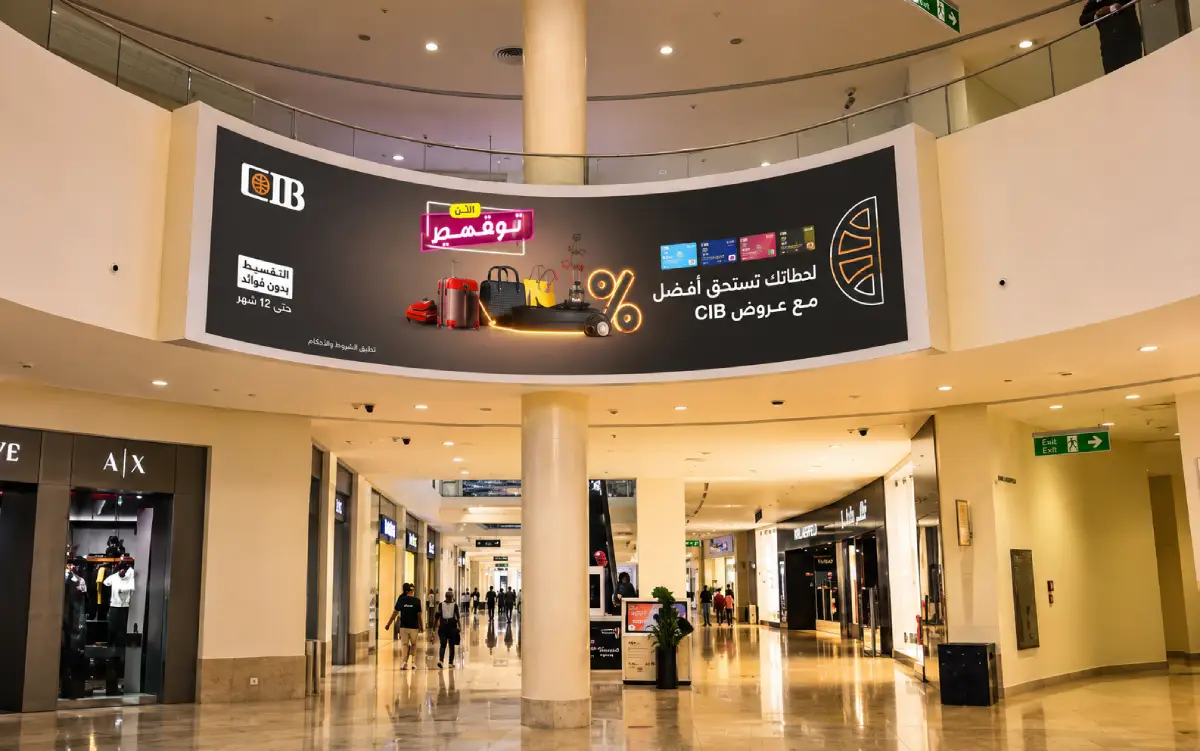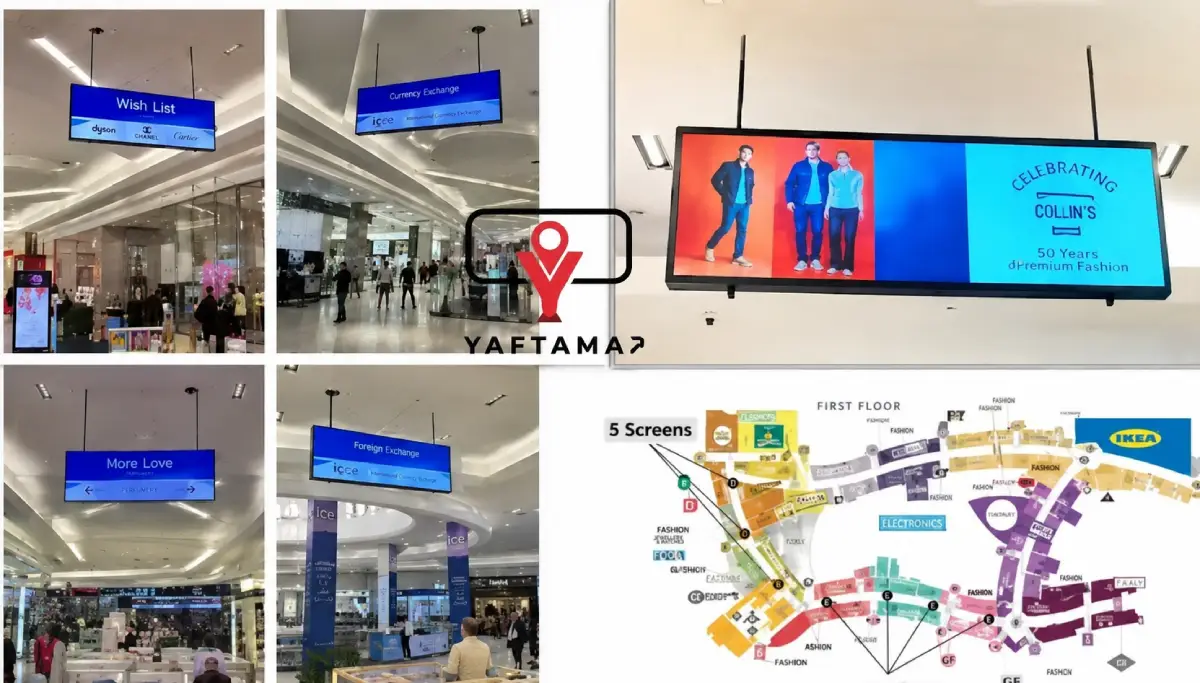

How to Choose the Right Billboard Investment:
A Complete Guide to Maximizing ROI
Evaluate location, demand, visibility, and long-term growth before investing.
Investing in billboard advertising is often compared to investing in commercial real estate—and for good reason. A billboard is more than a physical advertising structure; it is a valuable asset located in a place where businesses compete for visibility.
Like retail properties, a billboard’s value depends on one key factor: demand for its location. However, unlike many traditional investments, billboards can generate recurring rental income while also having the potential to appreciate in value over time.
When selected carefully, they can become long-term income-producing assets with attractive returns.
The challenge is not deciding whether to invest in billboards—it is choosing which billboard offers the strongest return on investment (ROI). This guide explains the most important factors professional investors evaluate before purchasing a billboard and how you can identify opportunities with long-term growth potential.
Related guide
To better understand how outdoor advertising campaigns are planned, read our guide on
OOH Media Planning in Egypt
.
Why Billboards Are Considered a Strong Investment
Every billboard occupies one of the world’s most valuable resources: location.
Businesses continuously compete for customer attention, and outdoor advertising gives them the opportunity to reach thousands—or even millions—of people every month.
Unlike many forms of digital advertising that disappear once the budget ends, billboards remain visible twenty-four hours a day, creating continuous exposure. This constant demand can make billboard ownership relatively resilient compared with many other asset classes.
ROI Is About More Than Rental Income
Many first-time investors evaluate a billboard only by looking at its current rental income. While current revenue is important, experienced investors look much deeper.
The real question is:
How much can this billboard generate five or ten years from today?
A billboard with average rental income today may become significantly more valuable if surrounding infrastructure improves, traffic increases, or commercial developments attract additional businesses.
Similarly, a billboard generating strong revenue today could lose value if future developments reduce its visibility.
Location Is Still the Most Important Factor
The famous real estate principle—“Location, Location, Location”—also applies to billboard investments.
High-traffic highways, major intersections, shopping districts, airports, business centres, and commercial corridors usually provide stronger advertising performance because they expose brands to larger audiences.
However, investors should avoid assuming that high traffic alone guarantees better returns.
A premium billboard located on one of the busiest roads may already be priced at its maximum market value. In these situations, the rental yield could be relatively low compared with the acquisition cost.
The goal is not simply to buy the busiest billboard—it is to buy the billboard with the best balance between acquisition cost, rental income, and future appreciation.
Think Like a Real Estate Investor
Professional billboard investors evaluate assets similarly to commercial property investors.
Instead of asking:
How many cars pass this location today?
They ask:
- Will traffic increase over the next five years?
- Are new commercial projects planned nearby?
- Will new residential communities move into this area?
- Are businesses expanding in this district?
- Is infrastructure improving?
These questions determine future advertising demand, which ultimately affects billboard value.
Understanding Market Cycles
Every investment market experiences cycles, and outdoor advertising is no exception.
One of the clearest examples occurred during the COVID-19 pandemic in 2020. Lockdowns reduced road traffic dramatically, causing demand for many billboard locations to decline temporarily.
Some billboard owners decided to sell their assets at discounted prices because they expected the slowdown to continue.
Long-term investors viewed the situation differently. They recognized that reduced mobility was temporary and believed traffic would eventually recover. As economies reopened, advertising demand returned, and many of those discounted assets regained significant value.
Temporary market conditions should not always determine the long-term value of a quality billboard.
Microeconomic Factors Matter More Than Global Events
While global events influence every market, billboard investments are often driven more by local economic activity than by international trends.
For example, a new shopping mall can dramatically increase daily traffic in a previously quiet area. A newly opened university may attract thousands of students every day. A government transportation project may create entirely new traffic patterns.
Each of these developments increases advertising exposure and can improve billboard demand.
If you are interested in understanding how commercial destinations influence advertising performance, explore our article on
Retail & Mall Advertising in Egypt
.
Look Beyond Today’s Traffic
Traffic volume is one of the most important indicators when evaluating a billboard, but experienced investors understand that today’s traffic is only part of the equation.
The real opportunity often lies in locations that are expected to grow over the next several years. Areas undergoing urban expansion, infrastructure improvements, or commercial development frequently offer stronger long-term returns than already saturated premium locations.
For example, a newly planned residential compound, business district, or retail centre can significantly increase traffic and advertising demand once completed. Investors who identify these opportunities early may acquire billboard assets at lower prices before demand rises.
Government Projects Can Increase Billboard Value
Government investment often changes the commercial potential of an area. New highways, bridges, metro stations, business districts, and public transportation projects can redirect traffic and create entirely new advertising opportunities.
When evaluating a billboard investment, research planned infrastructure projects rather than focusing only on current conditions.
Understanding where cities are expanding can help investors identify locations with strong future appreciation potential.
Visibility Is Just as Important as Traffic
A billboard may be located on a busy road, but poor visibility can dramatically reduce its advertising effectiveness.
Before investing, evaluate factors such as:
- Viewing distance.
- Driving direction.
- Road speed.
- Nearby trees or structures.
- Potential future construction.
- Night-time visibility.
One overlooked risk is future development. A new building constructed directly in front of a billboard may partially or completely block visibility, reducing its rental value and overall market price.
This is why professional investors study both current surroundings and planned developments before purchasing a billboard.
Traditional Billboards vs Digital Billboards
Choosing the right type of billboard is just as important as selecting the right location.
Traditional billboards generally require a lower initial investment, making them attractive to investors entering the market. However, every advertising change involves printing and installation costs, which can reduce operational flexibility.
Digital Out-of-Home (DOOH) screens require a larger upfront investment but offer several long-term advantages:
| Format | Key consideration |
|---|---|
| Traditional billboard | Lower initial investment, but printing and installation are required for creative changes. |
| Digital billboard | Higher upfront investment with greater flexibility and potential revenue capacity. |
- Multiple advertisers can share the same screen.
- Advertising creatives can be updated instantly.
- There are no printing or installation costs for creative changes.
- Campaigns can be managed remotely.
- Digital billboards may offer higher revenue potential in premium locations.
If you are comparing advertising formats, read our guide to
Digital Out-of-Home (DOOH) Advertising in Egypt
.
How to Estimate Billboard ROI
Return on investment should never be calculated using rental income alone.
Professional investors evaluate several factors together:
- Purchase price.
- Current rental income.
- Expected rental growth.
- Maintenance costs.
- Location appreciation.
- Advertising demand.
- Future infrastructure projects.
- Visibility risks.
Considering these variables provides a more accurate estimate of the billboard’s long-term profitability.
Common Mistakes New Investors Make
- Buying based only on traffic volume.
- Ignoring future construction projects.
- Overpaying for premium locations.
- Failing to research nearby commercial developments.
- Not evaluating advertising demand.
- Ignoring maintenance expenses.
- Choosing the wrong billboard format.
A disciplined evaluation process helps reduce risk while improving long-term returns.
Billboard Investment Checklist
Before purchasing a billboard, ask yourself the following questions:
- Is traffic expected to grow over the next five years?
- Are new commercial or residential developments planned nearby?
- Will future construction affect visibility?
- Does the purchase price reflect current market conditions?
- Is the location attractive to advertisers?
- Would a digital billboard generate higher long-term income?
- What is the estimated payback period?
Answering these questions before investing helps minimize unnecessary risk and improves decision-making.
Frequently Asked Questions
Are billboards a good long-term investment?
Yes. Well-located billboards can generate recurring rental income while appreciating in value as surrounding areas develop.
What affects billboard value the most?
Location, visibility, traffic volume, advertising demand, and future infrastructure developments are among the most important factors.
Should I invest in traditional or digital billboards?
The answer depends on your investment budget, operational goals, and expected return. Digital billboards typically require a higher initial investment but offer greater flexibility and revenue potential.
Can infrastructure projects increase billboard value?
Yes. New roads, bridges, commercial centres, and residential developments often increase traffic and advertising demand.
How can Yafta Map help investors?
Yafta Map enables advertisers and investors to discover billboard locations, compare outdoor advertising opportunities, and make more informed media planning decisions using interactive mapping technology.
Conclusion
Successful billboard investing requires more than purchasing space beside a busy road. The best investments combine strong locations, long-term growth potential, high visibility, sustainable advertising demand, and careful financial analysis.
By evaluating both current market conditions and future urban development, investors can identify billboard opportunities that generate stable rental income while increasing in value over time.
Whether you are purchasing your first billboard or expanding a large outdoor advertising portfolio, making informed decisions today can significantly improve your long-term return on investment.
Discover billboard locations, compare advertising opportunities, and plan smarter outdoor advertising investments across Egypt and Saudi Arabia.