From Billboards to Digital Displays
How outdoor advertising evolved from static messages to dynamic, data-driven experiences.
In the dynamic world of advertising, the evolution of outdoor advertising is a clear example of the industry’s ability to adapt to technological change. From the classic appeal of static billboards to the engaging power of digital displays, this journey reflects both the changing advertising landscape and the shifting preferences of a technology-focused audience.
Outdoor advertising has never been limited to one format. It has evolved alongside printing, transportation, urban development, digital technology, and data analytics.
Today, brands can choose between traditional billboards, digital screens, interactive installations, retail media, transit advertising, and hybrid campaigns that combine multiple formats.
The central idea has remained the same
Put the right message in the right place, make it visible, and give people a reason to remember it.
1. The Classic Billboard Era: Icons Along the Highways
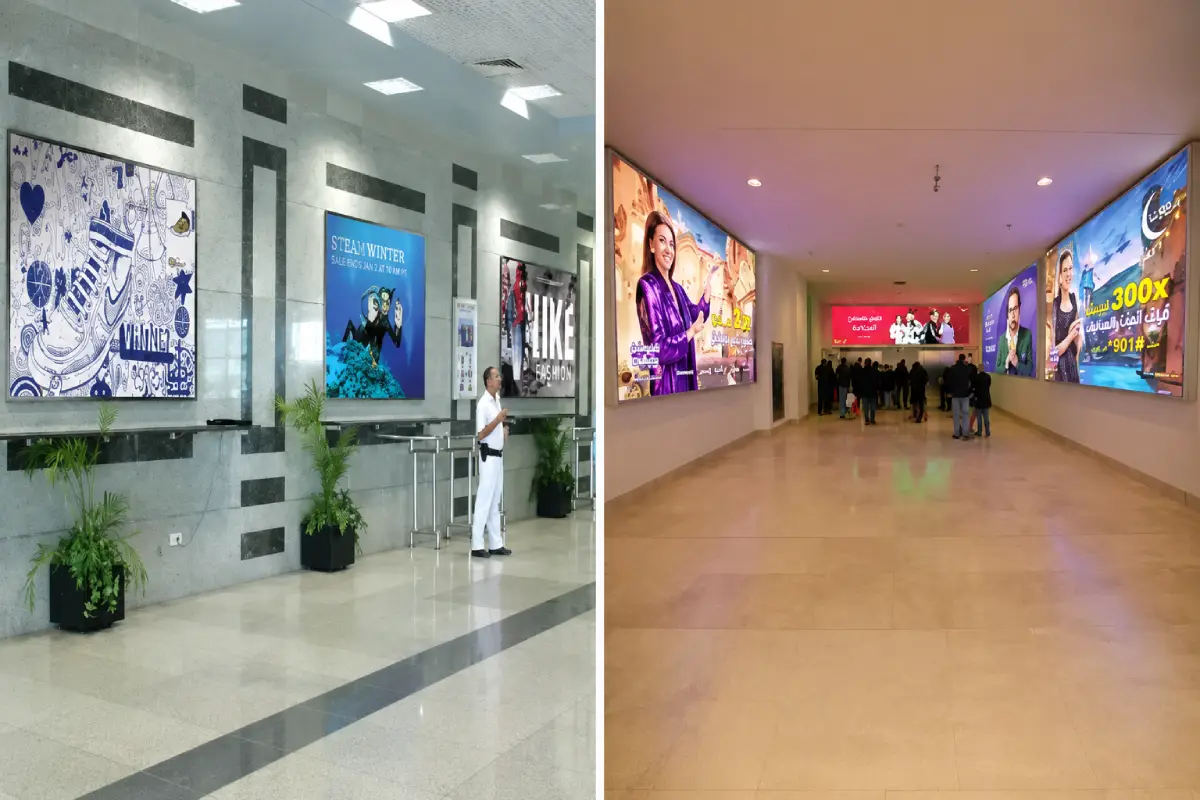
Traditional billboards became some of the most recognizable forms of outdoor advertising. Positioned along highways, major roads, city entrances, and busy urban routes, they helped brands reach large audiences repeatedly.
Some iconic billboards became landmarks in their own right. Their size, colours, slogans, and distinctive designs made them easy to recognize and helped transform advertising locations into memorable parts of the cultural landscape.
For many brands, a billboard communicated more than a product message. It also suggested scale, confidence, and market presence. A company visible on a major highway appeared established and serious.
Static billboards remain powerful because they provide continuous visibility and repeated exposure without requiring the audience to click, scroll, or watch a video.
2. The Rise of Digital Displays: A Paradigm Shift
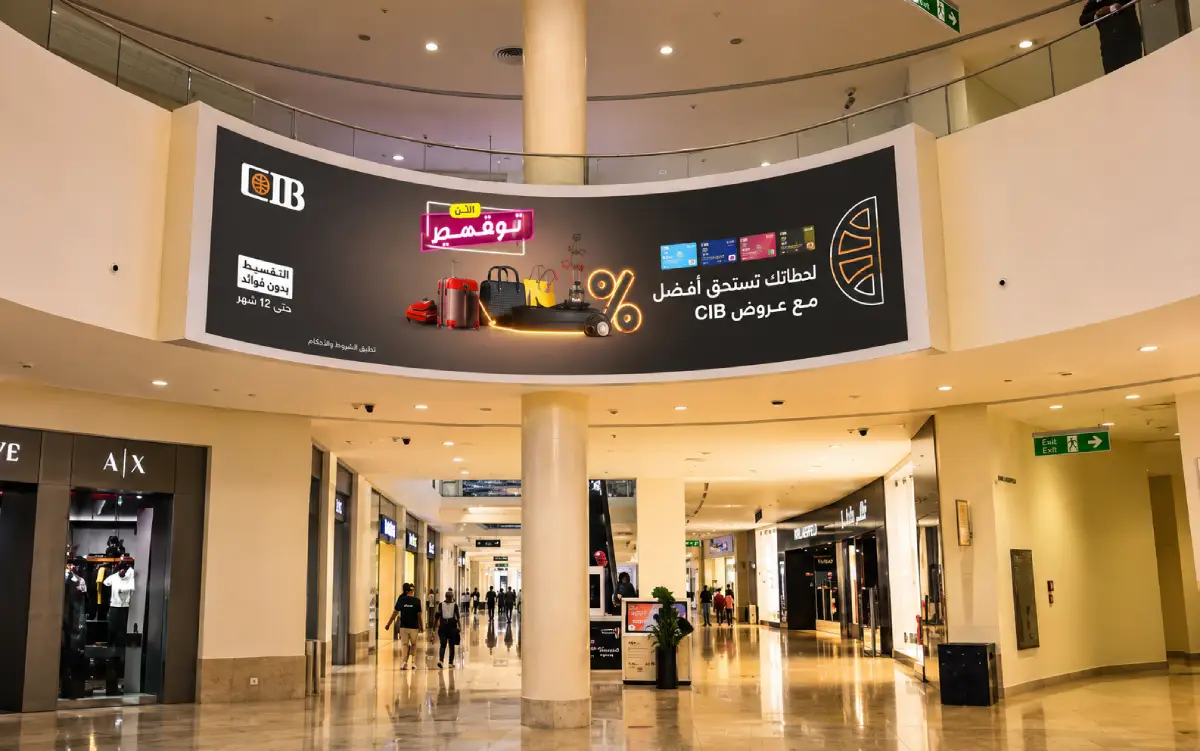
Digital displays introduced a major change in outdoor advertising. Instead of showing one printed creative for a fixed period, a digital screen can display multiple advertisements in rotation.
Advertisers can update content more quickly, schedule different messages throughout the day, and adapt campaigns to specific locations, audiences, events, or conditions.
This flexibility gives brands more creative freedom and allows them to make their messages more timely and relevant. Digital out-of-home advertising can respond to factors such as time of day, weather, traffic, local events, or nearby points of interest. [86][88]
| Traditional Billboard | Digital Display |
|---|---|
| Usually displays one creative at a time. | Can display multiple creatives in a scheduled loop. |
| Requires printing and installation for creative changes. | Content can be updated digitally. |
| Fixed message and timing. | Can adapt messages by time, context, or live data. |
| Strong physical presence. | Physical presence combined with motion and dynamic content. |
3. Interactive Experiences: Beyond Static Images
Digital displays allow advertisers to move beyond static images and create more interactive experiences in public spaces.
Campaigns can use QR codes, smartphones, motion sensors, augmented reality (AR), touchscreens, social media integrations, and other digital touchpoints to encourage audience participation. [93][94]
For example, a digital screen may invite passersby to scan a QR code to access an offer, participate in a competition, visit a landing page, or interact with a branded experience.
Augmented reality can add digital elements to the physical world, creating a connection between the screen, the audience, and the user’s mobile device. This makes the advertisement feel less like a passive message and more like an experience. [92]
Common interactive elements
- QR codes that connect the screen to a mobile experience.
- Augmented reality filters and visual effects.
- Touchscreens and interactive kiosks.
- Motion-responsive content.
- Social media feeds and user-generated content.
- Interactive games, competitions, and digital activations.
4. Data-Driven Insights: Targeting the Right Audience
Digital outdoor advertising has also become more data-driven. Advertisers can use location, time, audience, traffic, weather, and event-related information to plan when and where specific messages should appear.
Analytics can help advertisers understand audience behaviour, estimate exposure, compare locations, optimize content, and measure campaign performance.
Programmatic DOOH can also support dynamic targeting, allowing creative content to change based on real-time conditions such as weather, time of day, sports scores, or local events. [85]
For example, a restaurant may display a breakfast message in the morning, a lunch offer around midday, and an evening promotion after working hours. A travel brand may adapt its creative near airports, hotels, or transport hubs.
Data does not replace creativity. It helps advertisers deliver creative messages at moments and locations where they are more likely to be relevant.
5. Challenges and Opportunities in the Digital Landscape
The shift from static billboards to digital displays creates important opportunities, but it also introduces new challenges.
Opportunities
- Run multiple campaigns on one screen.
- Schedule content changes throughout the day.
- Respond to weather, traffic, and live events.
- Use motion, video, and animation.
- Connect campaigns with social media and mobile experiences.
- Optimize messages using performance data.
Challenges
- Higher initial installation costs.
- Need for reliable electricity and connectivity.
- Technical maintenance and content management.
- Potential regulatory and location restrictions.
- Risk of using excessive motion or complicated creative.
- Need to protect audience privacy when using data-driven planning.
The most effective digital campaigns balance technology with clarity. A screen may support animation, data, and interactivity, but the message still needs to be understood quickly by people passing through the environment.
6. The Hybrid Future: Integrating Traditional and Digital
The future of outdoor advertising will not necessarily belong entirely to digital displays. Many brands are finding value in hybrid campaigns that combine traditional and digital formats.
Static billboards can provide consistent, high-impact visibility in strategic locations, while digital displays can add flexibility, movement, time-based messaging, and interactive elements.
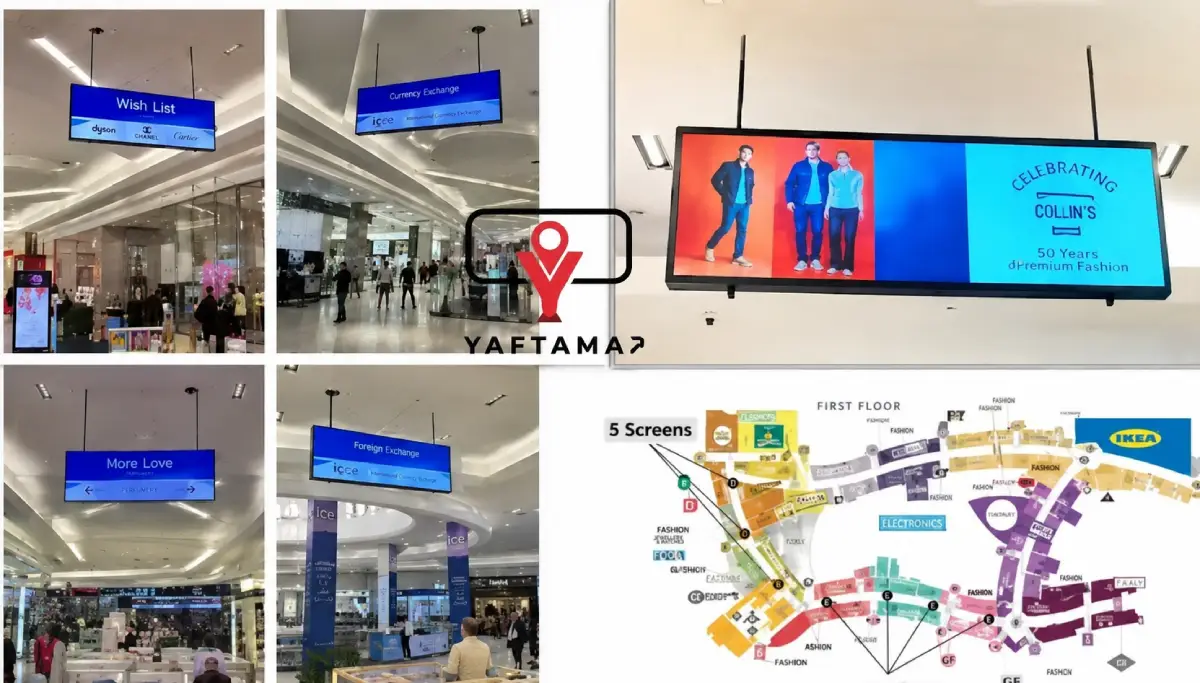
A brand may use a large static billboard to establish a strong visual identity across a city, then use digital screens in malls, transport hubs, or business districts to deliver offers, reminders, or time-sensitive content.
This combination allows brands to benefit from the timeless impact of traditional outdoor advertising while taking advantage of the dynamic possibilities of digital media.
The strongest campaign is not always the most technologically advanced one. It is the campaign that uses the right format for the right location, audience, and objective.
How Brands Can Choose the Right Format
Before selecting between static billboards, digital displays, or a hybrid campaign, brands should consider:
- The campaign objective.
- The target audience and its movement patterns.
- The location and viewing environment.
- The campaign duration.
- The need for real-time updates.
- The creative format and message complexity.
- The available budget.
- How campaign performance will be measured.
Frequently Asked Questions
What is the difference between OOH and DOOH?
OOH means out-of-home advertising and includes advertising formats displayed outside the home. DOOH, or digital out-of-home advertising, refers specifically to OOH media displayed on digital screens.
Are digital billboards better than static billboards?
Neither format is automatically better. Digital billboards offer greater flexibility and dynamic content, while static billboards can provide strong, consistent visibility. The right choice depends on the campaign objective, location, duration, and budget.
Can digital billboards change advertisements in real time?
Yes. Digital billboards can be scheduled or updated remotely, and some campaigns can adapt their creative according to factors such as time, weather, traffic, or local events.
Can outdoor advertising be interactive?
Yes. QR codes, augmented reality, touchscreens, motion sensors, mobile integrations, and social media connections can turn an outdoor advertisement into an interactive experience.
Why should brands combine static and digital advertising?
Combining both formats allows brands to benefit from the consistent presence of static billboards and the flexibility, motion, and timely messaging of digital displays.
Conclusion
As outdoor advertising continues to evolve from traditional billboards to digital displays, the industry’s ability to adapt has kept it at the centre of innovative marketing strategies.
The nostalgia and physical impact of a classic billboard remain valuable, while digital displays introduce motion, flexibility, data-driven planning, real-time updates, and interactive experiences.
Whether a brand chooses a static billboard, a digital screen, or a hybrid campaign, successful outdoor advertising depends on selecting the right format for the audience, location, message, and objective. The future of OOH promises to be even more engaging, creative, and connected.